Global, Site Owners, Technical

Helicopter Sizes

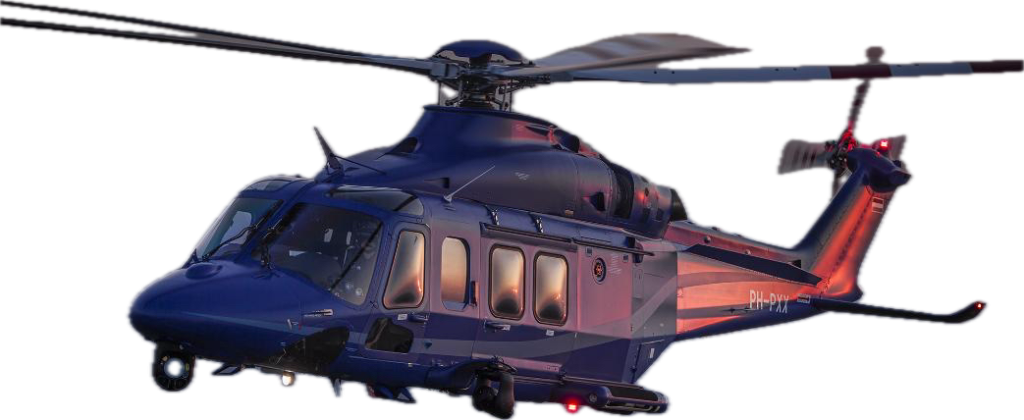
Robinson R44 helicopter in flight, associated with Helipaddy landing site platform.

Understanding Helicopter Sizes for Safe Landing Site Design

On Helipaddy, we avoid type-certification complexity and instead use a single practical metric:

Largest aircraft dimension (D) – the maximum overall diameter of the helicopter, in metres.

This value directly drives the three concentric safety circles used in Helipaddy site assessments:

  • Circle 1 (Touchdown area) ≈ 0.85 × D
  • Circle 2 (Operational area) = D
  • Circle 3 (Clear zone) = 2 × D

Light Single-Engine Helicopters (≈12–13 m)

These are the most common private and utility helicopters seen at rural and residential sites.
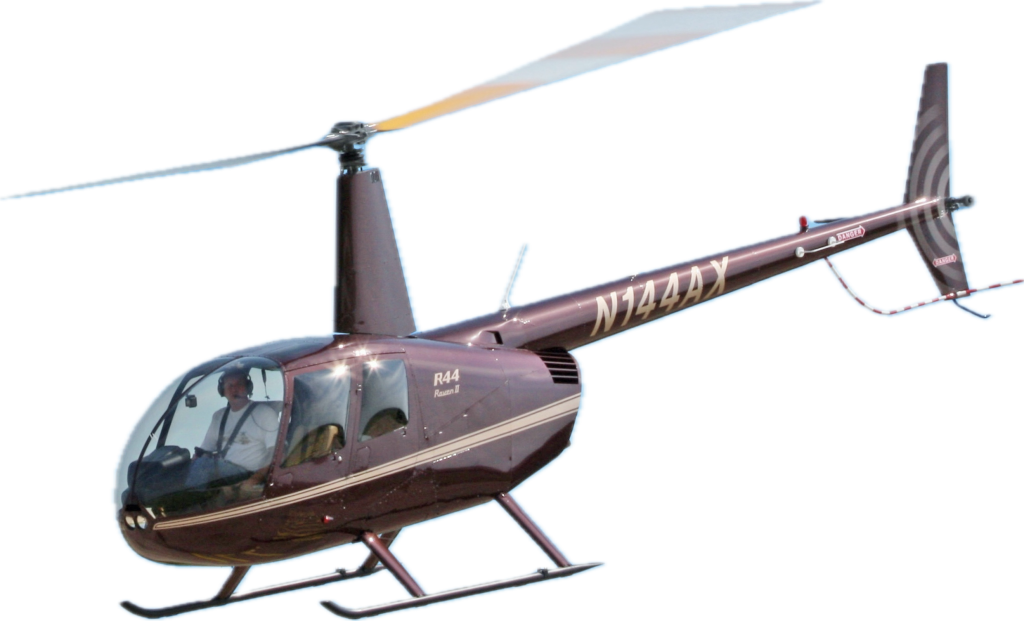
  • Robinson R44D 12.1 m
Robinson R44 helicopter in flight, associated with Helipaddy landing site platform.
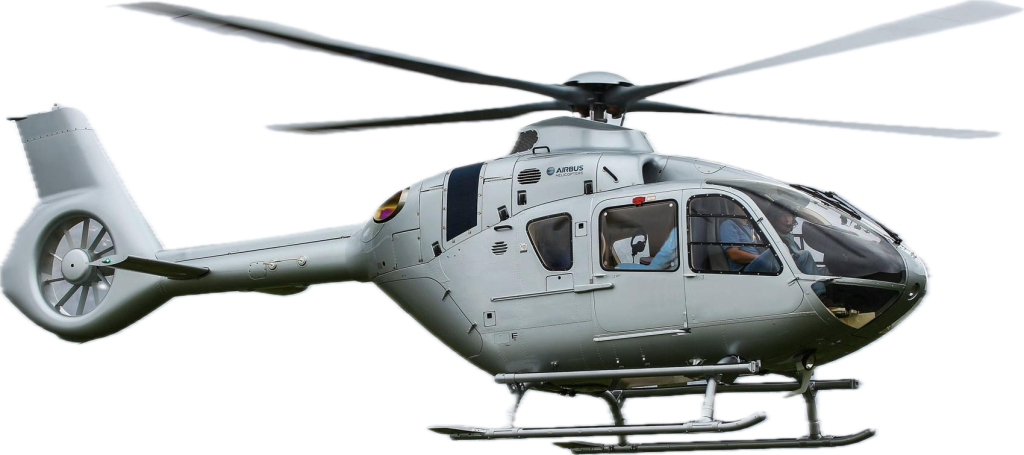
  • Airbus H135D 12.2 m
Airbus helicopter in flight, featured on Helipaddy, a top helicopter landing platform network worldwide.
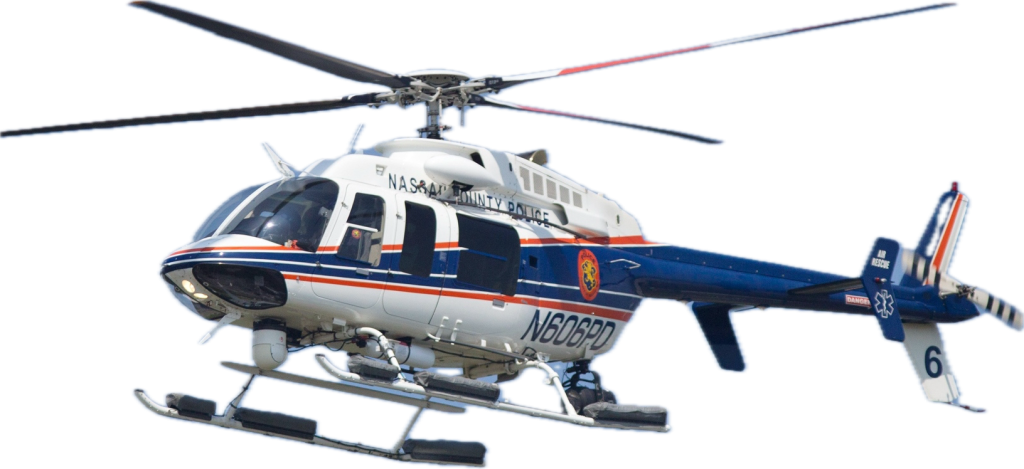
  • Bell 407D 12.6 m
Police helicopter flying, showcasing Helipaddy's aviation network and resources.
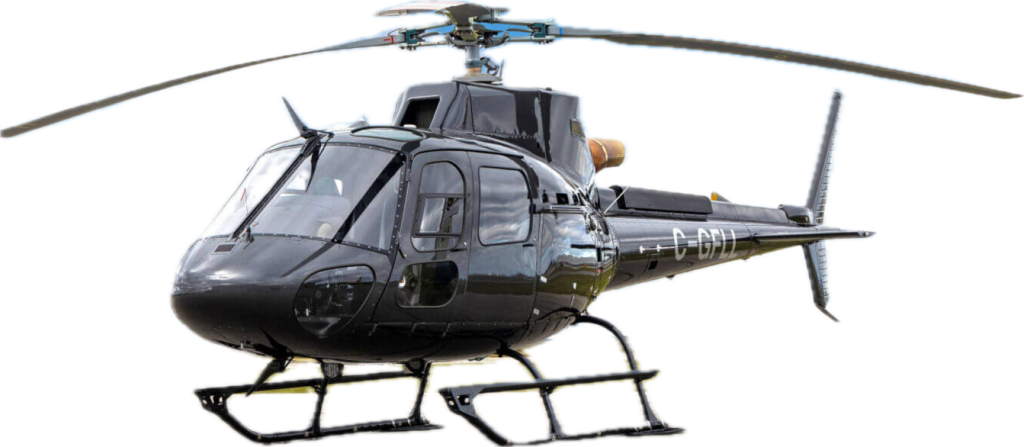
  • Airbus H125D 12.9 m
Black helicopter in flight, showcasing Helipaddy's advanced landing site solutions.

Key point:

Even “small” helicopters still require a 25 m clear diameter once safety margins are applied.


Larger Light / Entry-Level Twin Helicopters (≈13–14 m)

These aircraft look only slightly larger than those above but materially increase clearance needs.
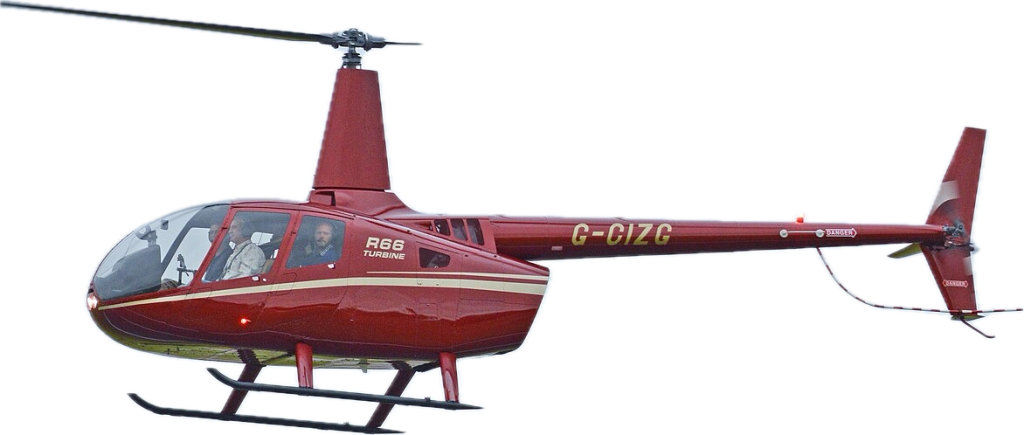
  • Robinson R66D 13.3 m
Red Robinson R66 helicopter in flight, showcasing Helipaddy services for helicopter landing locations.
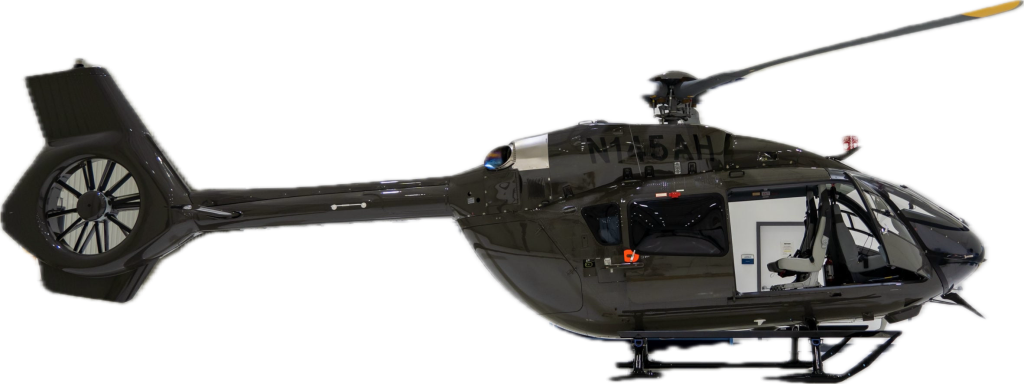
  • Airbus H145D 13.6 m
Black helicopter showcasing Helipaddy innovations in aviation technology.

Design implication:

Selecting 13.6 m instead of 12.1 m increases the required clear zone by over 3 metres radius.


Medium Twin Helicopters (≈15–17 m)

These aircraft are common for corporate, medical, offshore, and charter operations.
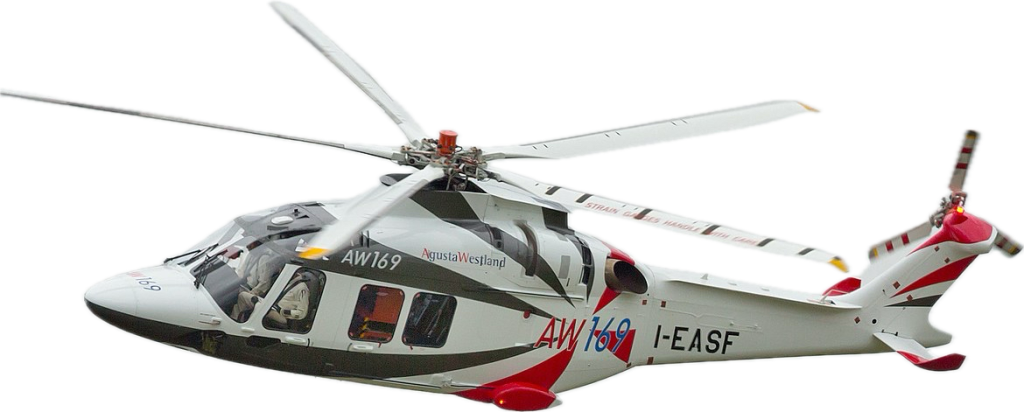
  • Leonardo AW169D 15.7 m
AgustaWestland AW169 helicopter in flight, featured on Helipaddy for top landing sites worldwide.
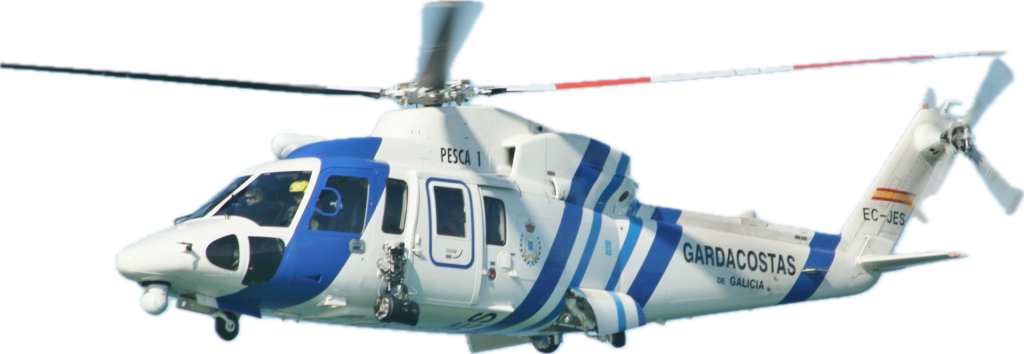
  • Sikorsky S-76D 16.0 m
Rescue helicopter in flight with Helipaddy livery and Spain’s flag, showcasing aerial capabilities.
Blue helicopter airborne, associated with Helipaddy aviation services, flying against a clear sky.

Reality check:

A site suitable for an R44 is not remotely suitable for an AW139 without major clearance.
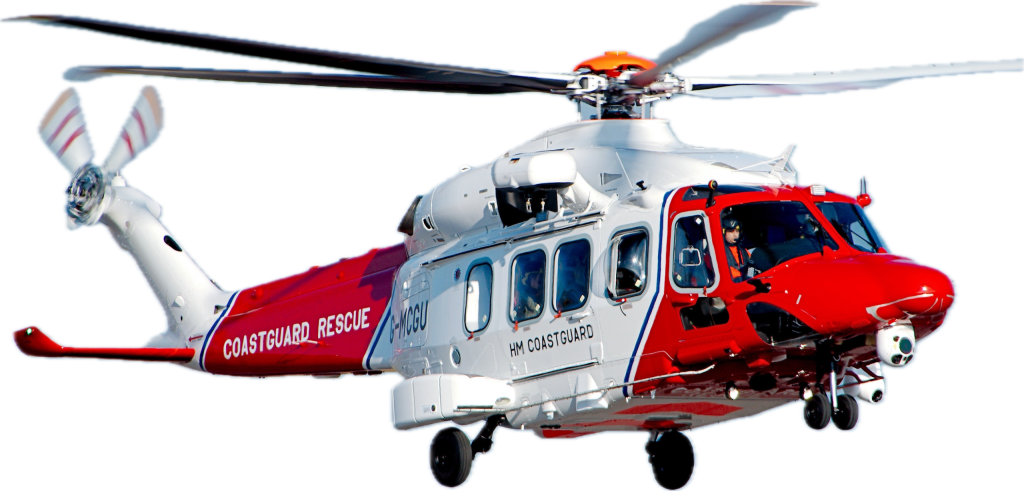

Large Helicopters (≈20 m)

  • Leonardo AW189D 19.5 m
Coastguard helicopter in flight, featured on Helipaddy, a platform for helipad locations worldwide.

These aircraft require nearly 40 m of unobstructed diameter. They are rarely compatible with private sites unless purpose-built.


Practical Guidance for Site Owners

  • Do not size for the helicopter you expect — size for the helicopter you might get.
  • A visiting charter, medical diversion, or upgraded aircraft can easily exceed expectations.
  • Choosing the next size up costs nothing on paper and avoids future rejections.
  • Pilots will not “squeeze in” — they will simply not land.

Helipaddy’s Largest Dimension D selector exists to make this decision simple, conservative, and defensible.

Helipaddy Landing Site Wizards

If you are wondering if your location can be used for helicopters, you may find our Landing Site Check wizard helpful.

If you are considering building a helipad and want to specify it, try our Build A Helipad wizard.

Ask a question

Your email address will not be published. Required fields are marked *