Site Owners
Pilots
Download our app below to start discovering new landing sites




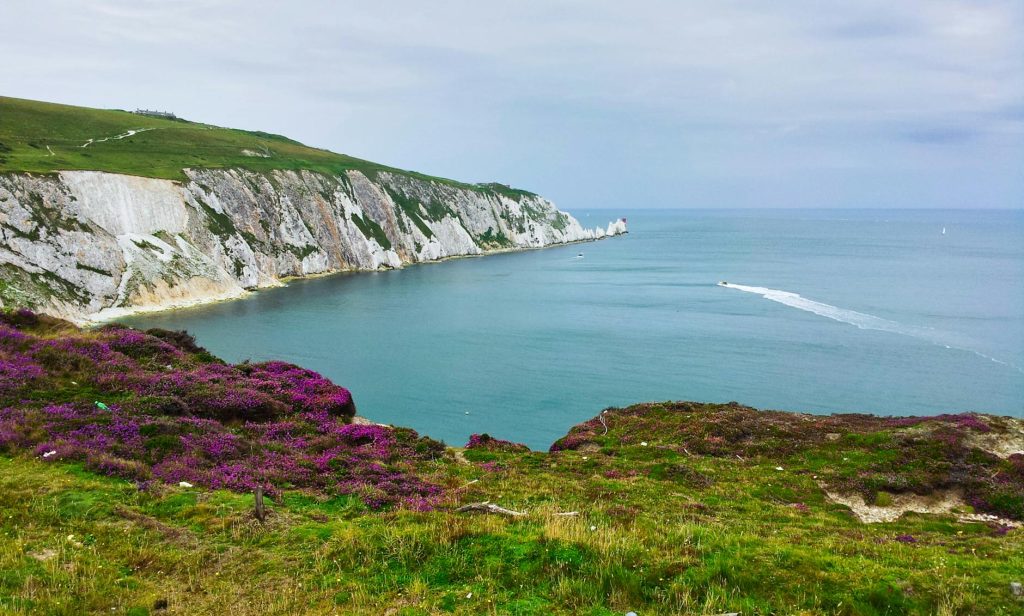
This page is a local Isle of Wight operating supplement under UK CAA jurisdiction. Use the main UK guide at Flying a Helicopter in the United Kingdom as the primary national baseline, then layer Isle of Wight local constraints into route and arrival planning.
For legal and procedural baseline, plan from the CAA Skyway Code, the active UK AIP, and current CAP 694 workflow where flight planning is required. This local page is intended to refine, not replace, those national references.
South-coast and Solent area routing should be built against current charting, NOTAM, and UK AIP constraints on the day of flight. Sea crossing exposure, coastal weather windows, and alternates should be treated as one dispatch decision rather than separate checks added late in planning.
Private sites require prior landowner approval, and island operations should account for local noise and wildlife sensitivities when choosing arrival and departure profiles. In practical terms, low-level routing over sensitive areas such as the central deer park and equestrian zones should be avoided where possible, with local operator notes treated as operational limits.
Do not assume on-island fuel availability for every aircraft type. Confirm fuel type, uplift timing, and accepted payment method before launch, and for same-day return profiles keep a mainland fallback uplift plan that is practical for your routing window.


